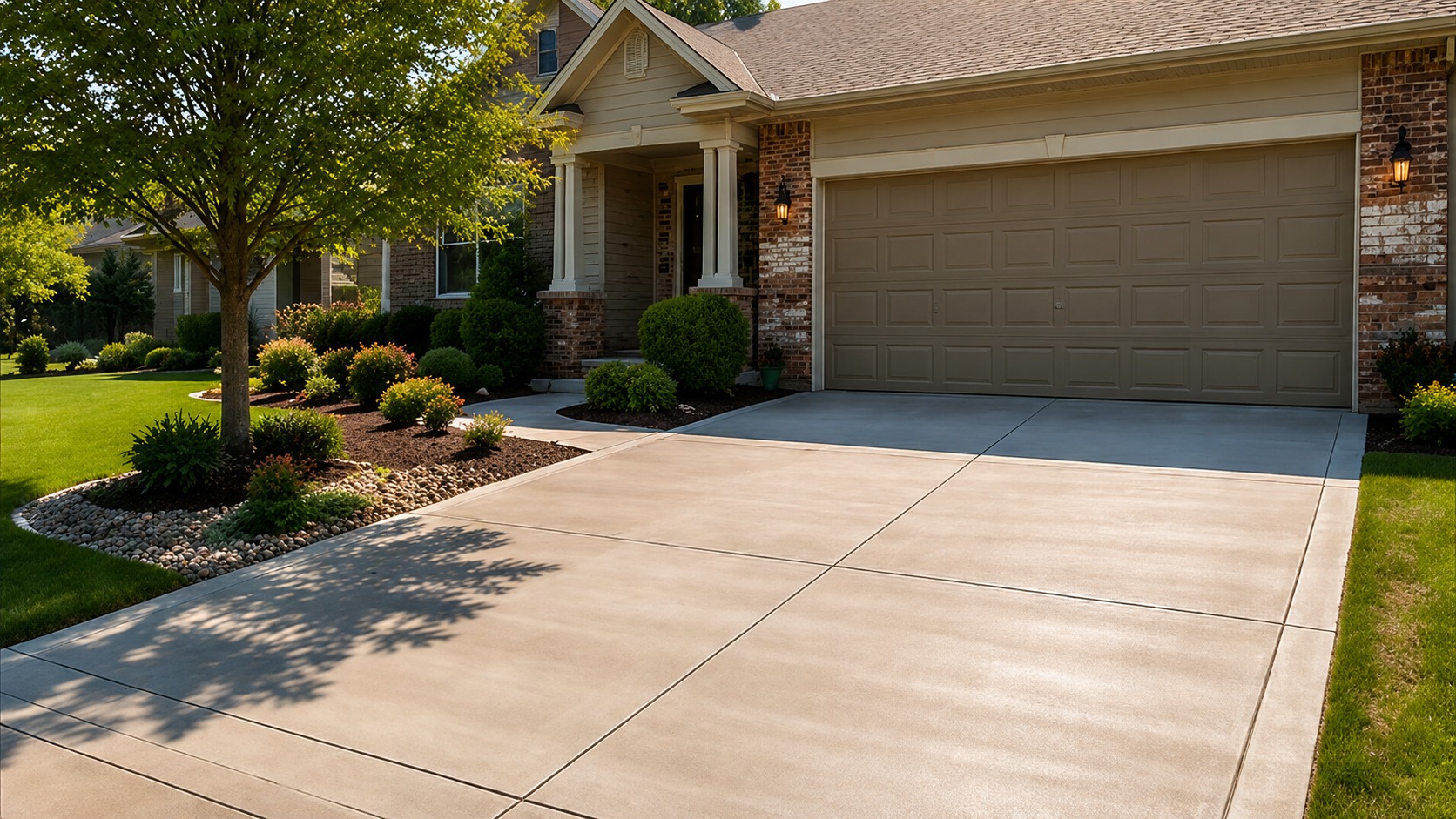
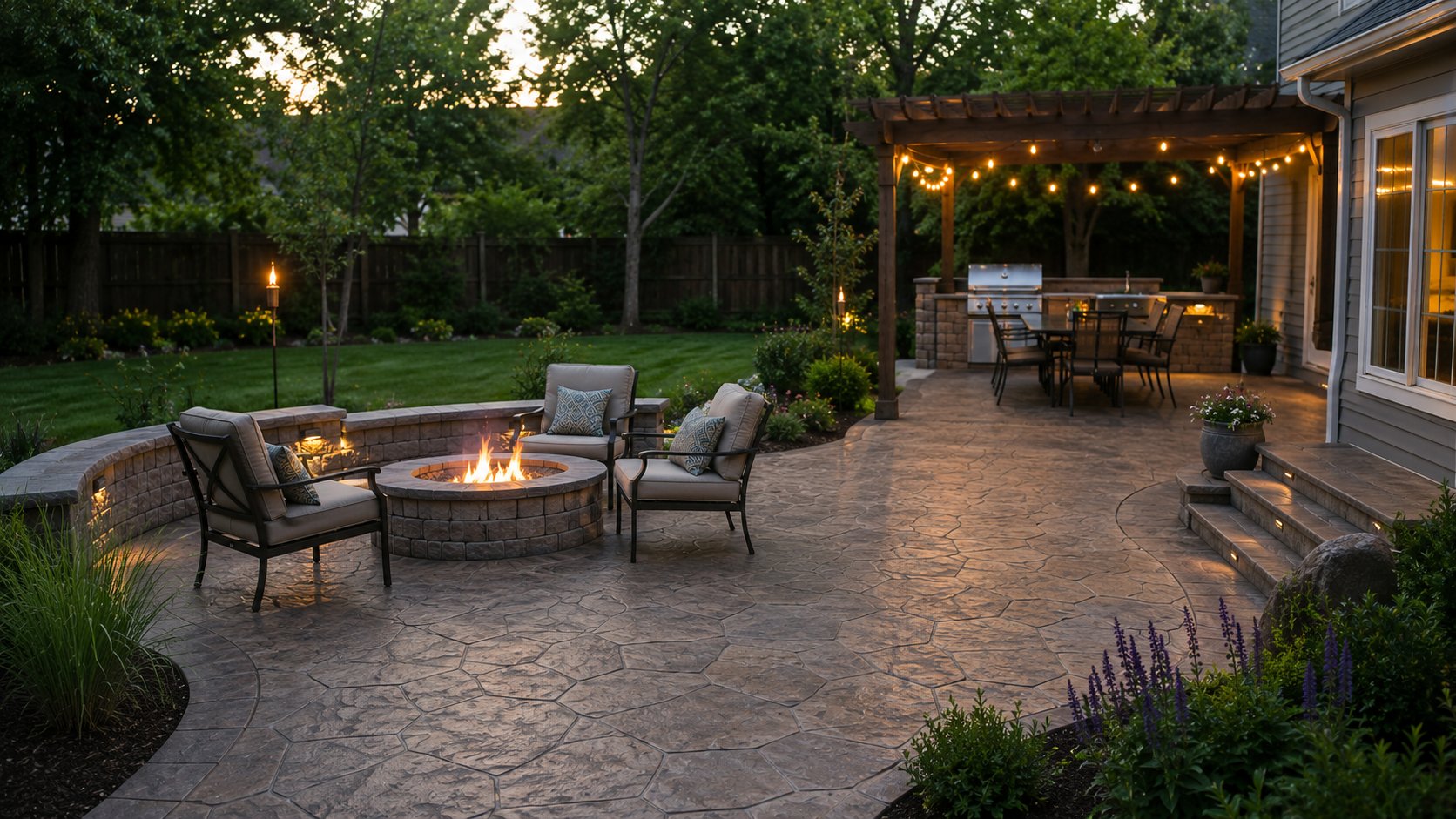
Some of the best memories happen in the backyard. Summer cookouts with neighbors. Family birthday parties. Watching children chase fireflies across the lawn. Quiet mornings with coffee before the neighborhood wakes up. Crisp fall evenings gathered around a fire pit under string lights.
The modern patio has become far more than a slab of concrete behind the house—it’s an extension of the home itself. When planned correctly, it can transform an underused backyard into one of the most enjoyable spaces on your property. Whether you’re building a new patio or replacing an aging one, thoughtful design decisions made today can pay dividends for decades.
The best patios aren’t necessarily the largest or the most expensive—they’re the ones thoughtfully designed around the way families actually live.
Start With How You Actually Live
Before choosing colors or finishes, take a step back and consider how your family uses outdoor space. Do you host neighborhood gatherings? Do you envision outdoor movie nights? Will children play nearby? Do you want room for a future hot tub or pool? Will you eventually build an outdoor kitchen?
The best patios are designed around lifestyle rather than square footage. Some homeowners only need a quiet seating area for two chairs and a small table. Others need enough room for large family gatherings, grilling stations, dining tables, and lounge furniture.
Planning for the future often costs very little during initial construction but can save thousands in future expansions. A few extra square feet of concrete today is far less expensive than mobilizing a crew for a second pour later.
Create Outdoor “Rooms”
One of the biggest trends in backyard design is creating distinct activity zones. Instead of one large empty rectangle, today’s patios often include multiple connected spaces that naturally guide movement throughout the yard.
You might include a dining area beneath a pergola, a conversation space around a fire pit, a grilling station, a lounging area near the pool, a pathway connecting gardens, and space for future outdoor kitchens. Breaking the patio into separate destinations makes even modest spaces feel larger and more intentional.
Stamped Concrete Creates Endless Design Possibilities
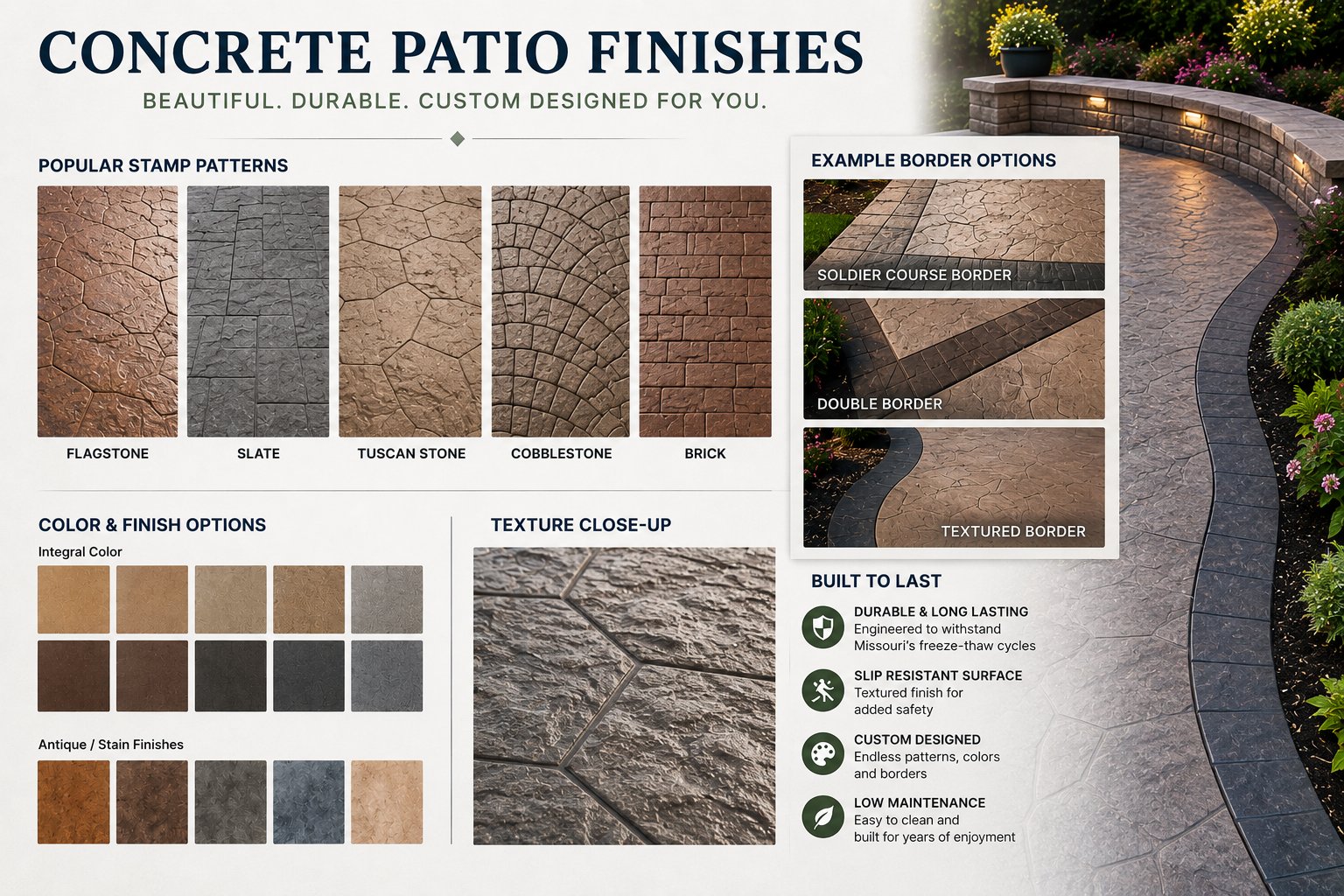
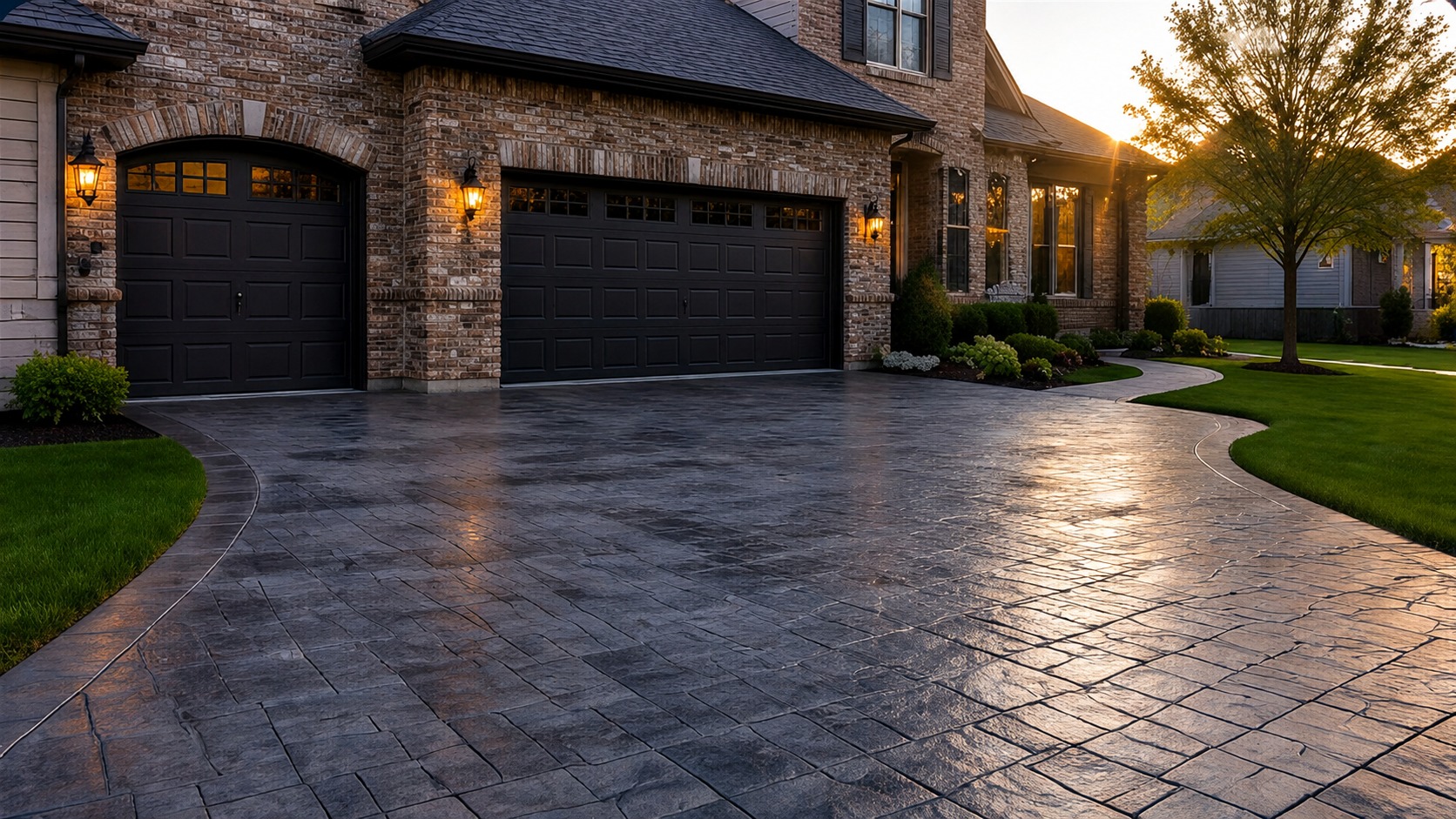
Stamped concrete has become one of the most popular patio surfaces because it combines affordability with remarkable design flexibility. Modern stamping systems can recreate natural slate, flagstone, cobblestone, brick, wood plank textures, ashlar stone, and European fan patterns.
Color hardeners and decorative stains add additional depth, allowing homeowners to coordinate patios with brick exteriors, siding colors, landscaping, and outdoor furniture. Many guests never realize they’re standing on concrete until they’re told.
Borders Add Instant Luxury
Sometimes the smallest details create the biggest impact. Decorative borders remain one of the easiest ways to elevate a patio design. Contrasting colors, soldier-course patterns, or textured perimeter bands help define the outdoor living space while adding architectural interest.
A simple charcoal border surrounding a lighter stamped field can dramatically increase visual appeal without significantly increasing project cost.
Fire Pits Continue to Be a Favorite Feature
Outdoor fire pits remain one of the most requested patio upgrades. They naturally encourage conversation while extending patio season well into the cooler Missouri evenings. Circular seating arrangements often create the most inviting atmosphere, while integrated seat walls provide permanent seating without additional furniture.
Even homeowners who rarely entertain often discover that the fire pit becomes the most frequently used area of the backyard.
Outdoor Kitchens Are Becoming More Common
Backyard cooking has evolved well beyond a standalone grill. Today’s outdoor kitchens often include built-in grills, refrigerators, pizza ovens, beverage stations, granite countertops, storage cabinets, and bar seating.
Planning concrete layouts around future kitchen installations can simplify electrical and gas line installation while preserving the finished patio appearance. Even if the kitchen comes years later, preparing today can save significant expense.
Lighting Changes Everything
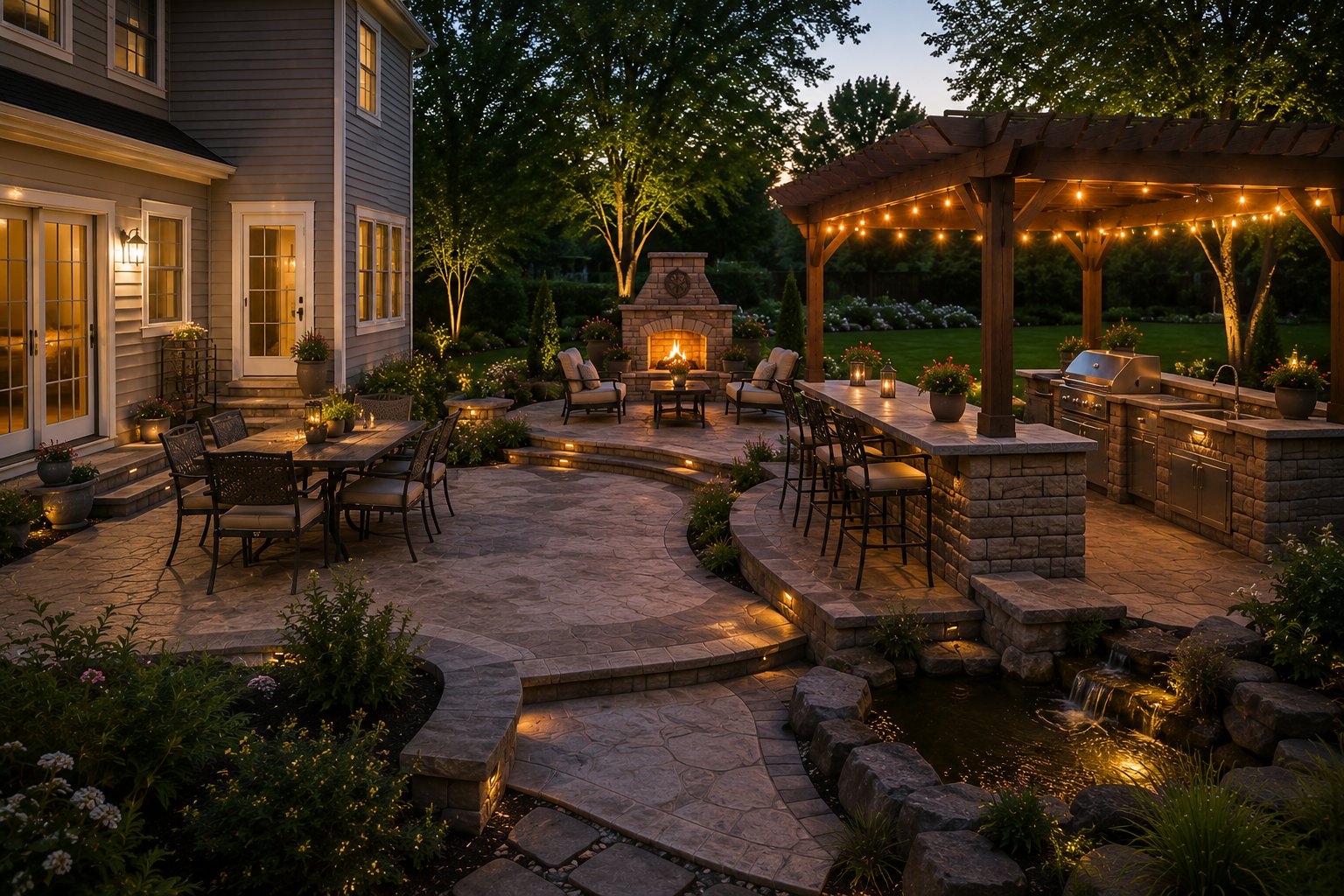
Patios don’t have to disappear after sunset. Integrated landscape lighting, step lights, uplighting, and overhead string lighting create warmth while dramatically improving nighttime usability. Lighting also highlights stamped textures and decorative coloring that might otherwise disappear after dark.
Many homeowners find that thoughtful lighting creates as much visual impact as the patio itself.
Don’t Forget Shade
Missouri summers can be hot and humid. Shade structures make patios significantly more comfortable during the afternoon. Popular options include pergolas, covered patios, retractable awnings, large umbrellas, and shade sails.
Planning these structures during patio construction ensures proper footing locations and cleaner overall design.
Choose Colors That Will Age Gracefully
Neutral earth tones remain the safest long-term investment. Warm grays, taupes, soft browns, sandstone, and weathered slate colors complement nearly every architectural style while remaining attractive for decades. Extremely bold colors may feel trendy today but can quickly become dated.
Subtle coloring also hides dirt, pollen, and normal outdoor wear more effectively than brighter finishes.
Plan for Drainage
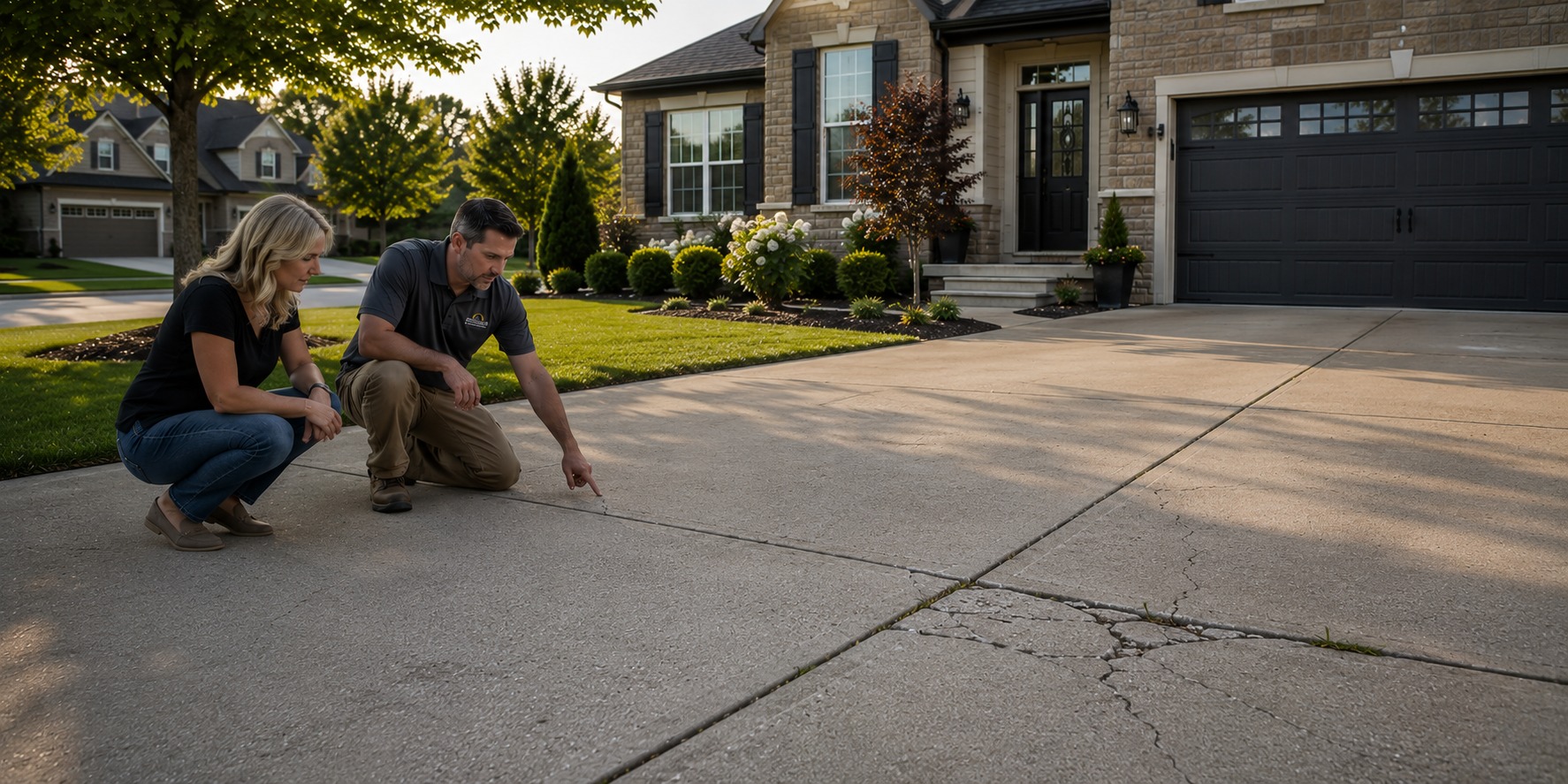
One of the least glamorous but most important design considerations is drainage. Water should always move away from the home and avoid pooling on the patio surface. Proper grading protects both the patio and your home’s foundation while reducing winter ice formation and long-term settlement.
Quality installation beneath the surface is often what separates patios that last thirty years from those requiring repairs after only a few seasons.
A Patio Is an Investment in Everyday Living
Homeowners often think about resale value when planning improvements. While patios certainly enhance curb appeal, their greatest value comes from everyday enjoyment. Unlike many home upgrades hidden behind walls or ceilings, patios are experienced every single day.
They create spaces for celebrations, quiet evenings, conversations with neighbors, graduation parties, holiday gatherings, and countless family memories. For many families, they become the heart of the backyard.