A concrete driveway is one of the biggest exterior investments a homeowner makes, so it’s a fair question: how long is it actually supposed to last? The honest answer is that lifespan varies more than most homeowners expect — and it has less to do with luck than with a handful of specific, mostly invisible factors.
Two driveways poured the same year, in the same neighborhood, can age completely differently. One might still look great at 30 years. The other might need major repairs at 12. The difference almost always comes down to what happened before, during, and after the pour.
This guide walks through what really determines how long a concrete driveway lasts, what a realistic lifespan looks like for homeowners in St. Charles County and the greater St. Louis area, and what you can do to help your driveway reach the higher end of that range.
Most concrete driveways last 25–30 years — well-built ones can exceed 40.
A typical concrete driveway lasts 25 to 30 years with normal use and basic care. Driveways with excellent base preparation, proper drainage, and light maintenance often remain structurally sound well past 40 years, even if they develop some cosmetic cracking along the way.
What Actually Determines How Long a Driveway Lasts
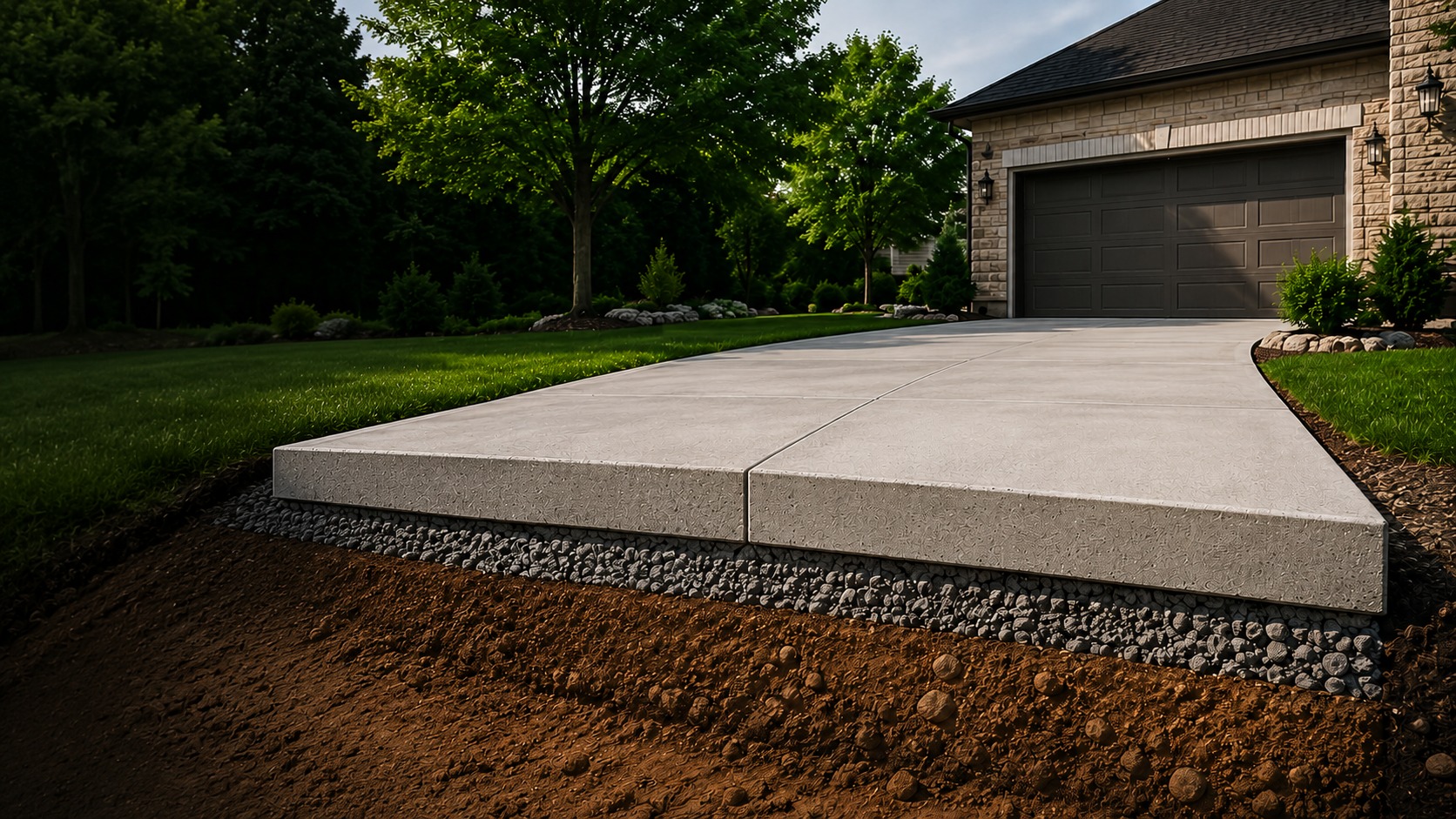
Concrete itself is remarkably durable. What typically limits a driveway’s lifespan isn’t the concrete mix — it’s everything happening beneath and around it. The biggest factors include:
- Base preparation — a properly compacted gravel base gives the slab something stable to rest on
- Drainage — water that collects beneath or beside a slab accelerates soil movement and freeze-thaw damage
- Soil conditions — expansive clay soils common throughout the St. Louis area shift more with moisture changes than sandier soils
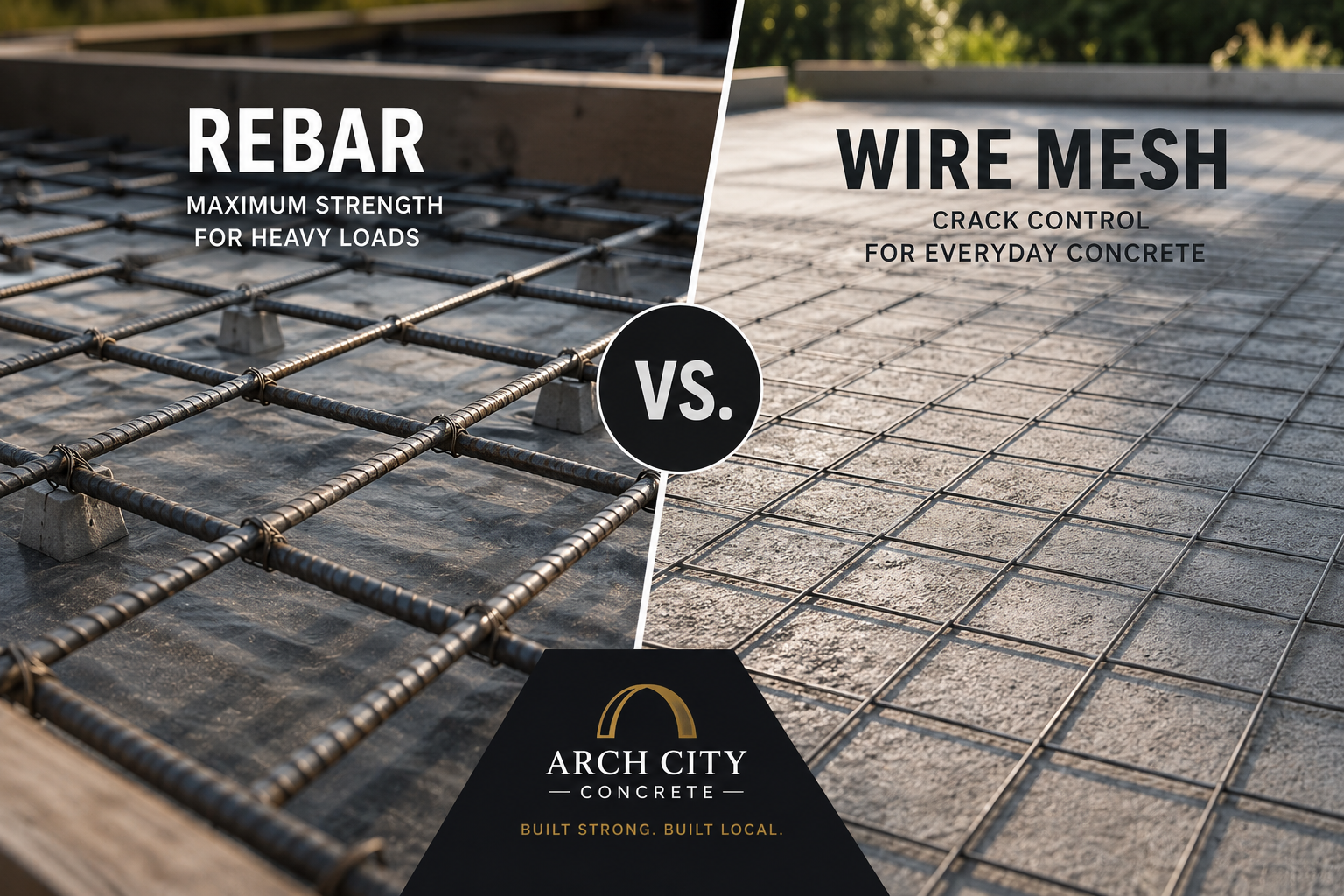
- Slab thickness and reinforcement — thicker slabs with proper reinforcement handle stress better over time
- Climate exposure — Missouri’s freeze-thaw cycles put repeated seasonal stress on every driveway in the region
- Everyday use — heavy vehicles, trailers, and consistent salt exposure all add wear over time
Installation quality has an outsized impact on all of this. A well-built driveway is engineered to handle these stresses gracefully; a poorly built one starts fighting an uphill battle from day one.
Many properly installed concrete driveways remain structurally sound for more than 40 years, even if they develop minor cosmetic cracking over time.
Expected Concrete Driveway Lifespan
Here’s how lifespan typically breaks down based on installation quality, drainage, and everyday use:
If your driveway is already showing problems well ahead of these timelines, our guide on repairing vs. replacing concrete can help you figure out whether a fix will hold or whether replacement is the smarter move.

Signs Your Driveway May Be Nearing the End of Its Life
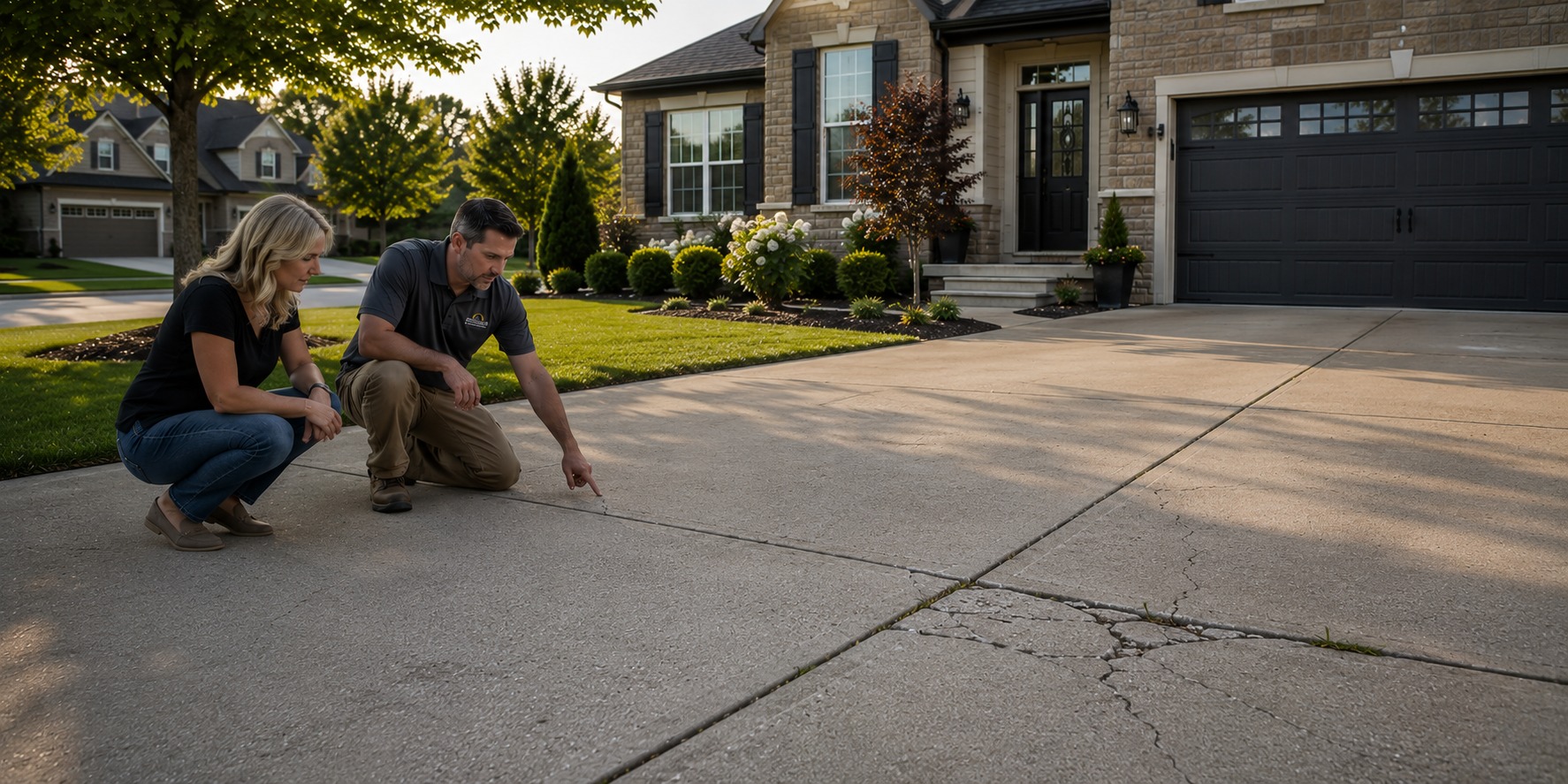
Age alone doesn’t tell the whole story. A 20-year-old driveway with a great foundation can outperform a 10-year-old one built on a poor base. Watch for these signs regardless of age:
- Multiple large cracks spreading across several slabs
- Uneven or sunken sections that create trip hazards
- Crumbling edges or widespread surface flaking
- Repairs that keep failing in the same spot
- Standing water that collects on or near the slab after rain
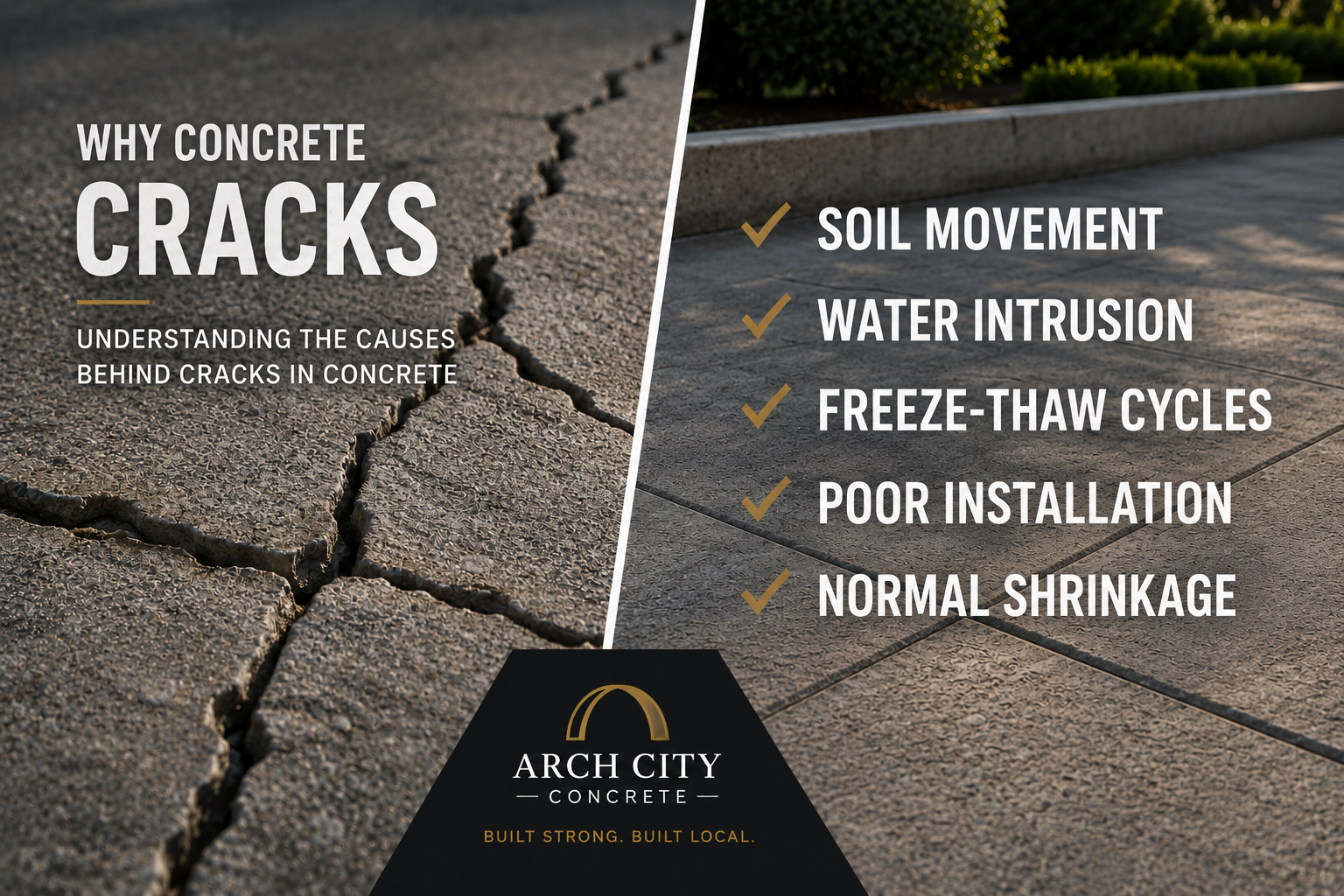
If several of these sound familiar, it’s worth reading our guide on why concrete cracks to understand whether what you’re seeing is cosmetic or a sign the driveway is genuinely reaching the end of its service life.
Most driveway failures begin beneath the concrete — not within the concrete itself. Proper base preparation and drainage often determine lifespan more than the concrete mix itself.
How to Extend the Life of Your Driveway
Whether you’re maintaining an existing driveway or planning a new one, a few habits go a long way toward reaching the upper end of that lifespan range:
- Seal the surface periodically to protect against moisture and deicing salts
- Keep gutters and grading directing water away from the slab
- Address small cracks early before water and freeze-thaw cycles make them worse
- Avoid parking heavy equipment or trailers on the same section repeatedly
- Choose proper reinforcement and a well-compacted base at the time of installation
If you’re planning a new driveway, our guides on choosing the right concrete driveway and what a concrete driveway costs both cover the installation decisions that set the stage for a longer lifespan. If you’re still deciding between materials, our concrete vs. asphalt comparison is a helpful starting point.
Homes throughout St. Charles County and the greater St. Louis area deal with a particular combination of expansive clay soils and repeated freeze-thaw cycles. Proper drainage and base preparation matter more here than in milder, more stable climates — they’re often the difference between a driveway that lasts 15 years and one that lasts 40.
The Bottom Line
There’s no single answer to how long a concrete driveway lasts — but there is a reliable pattern. Driveways built on a solid, well-drained base with proper reinforcement consistently outlast those that weren’t, often by decades.
Age is a useful data point, but it’s not the full picture. A driveway’s condition — what’s happening at the surface and beneath it — ultimately tells you more about how much life it has left than the year it was poured.